Facial Nerve Dysfunction in a Child With B-Lymphoblastic Leukemia: Functional Improvement Following Multimodal Physiotherapy—A Case Report
Article Sidebar
Main Article Content
Abstract
Background: B-lymphoblastic leukemia (B-ALL) may be associated with neurological complications, particularly in the presence of central nervous system (CNS) involvement. Facial nerve dysfunction can result in facial asymmetry, impaired eye closure, reduced forehead movement, altered smiling, and impaired oral motor function. Evidence describing physiotherapy-based rehabilitation in children with B-ALL-associated facial nerve dysfunction is limited.
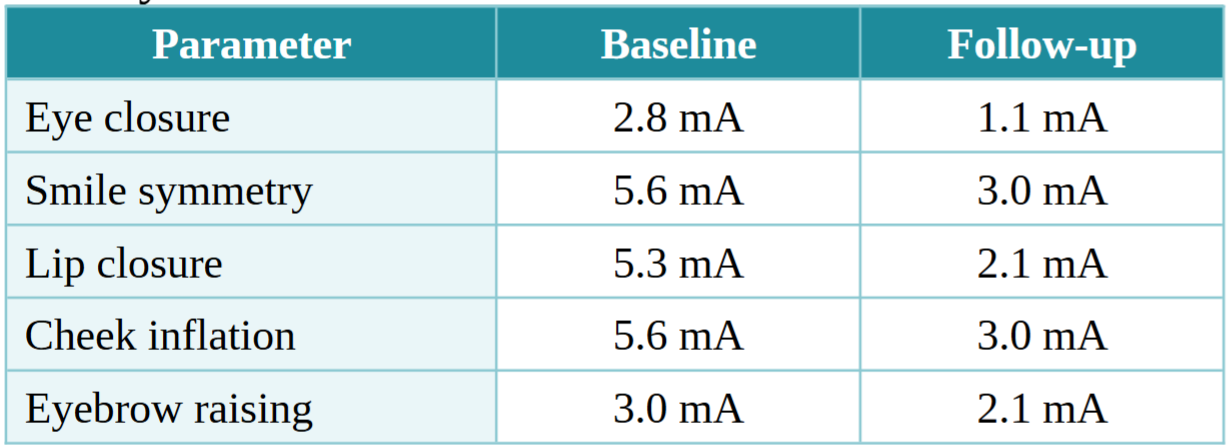
Case presentation: A 9-year-old male child diagnosed with B-lymphoblastic leukemia with CNS involvement presented with right-sided facial nerve dysfunction. Baseline clinical examination demonstrated facial asymmetry, reduced forehead wrinkling, incomplete eye closure, impaired smile symmetry, inadequate lip closure, and reduced cheek inflation. A multimodal physiotherapy programme comprising neuromuscular re-education, mirror-based visual biofeedback, electrical stimulation, functional facial retraining, age-appropriate engagement strategies, and a home exercise programme supported by remote supervision was provided. Clinical reassessment over approximately three weeks demonstrated improvement in eye closure, smile symmetry, lip closure, and cheek inflation, which were graded as good at the final assessment. Forehead wrinkling improved from poor to moderate. Serial clinical and photographic assessments documented changes in facial motor performance during the rehabilitation period.
Conclusion: This case describes the clinical course and functional improvement observed during multimodal physiotherapy in a child with B-lymphoblastic leukemia and coexisting facial nerve dysfunction. Although improvement was observed during rehabilitation, the relative contributions of physiotherapy, concurrent oncological management, and spontaneous neurological recovery could not be determined. Further studies using standardized outcome measures are required to evaluate the effectiveness of physiotherapy interventions in this population.
Downloads
Article Details
Section

This work is licensed under a Creative Commons Attribution-NonCommercial 4.0 International License.